


Alaska - Cruise guide - All you need to know

Welcome to my personal guide to cruising Alaska with a focus on how you can avoid mistakes and save big money.
I have included answers to all the questions we routinely get about Alaska and then some. If you are an experienced cruiser in regions such as the Mediterranean, the Pacific, and warmer climates, Alaska offers something fresh and new, and it's rather novel being on a ship where the pool deck is not the centre of life onboard. Think sipping hot chocolate, on a deck chair under a woolly blanket, watching glaciers or whales breach close by.
The weather is undoubtedly inclement, and although a day or two of rain is to be expected on most voyages, you can equally be blessed with stunning blue skies where the glacier ice glistens off mirrored seas.
One of my standout memories from Alaska is an excursion by helicopter to go dog sledding. This is a lot of money, about $700 per person, but trust me on this - you will return to the ship in an euphoric state thinking it was money well spent.
If you have any questions, please use the chat function on our website.


Alaska - Cruise guide - All you need to know
Contents

Alaska is like no place on earth, a land where towering glaciers, dramatic mountain ranges, and untamed wilderness stretch as far as the eye can see. Ancient forests meet icy fjords, and wildlife roams freely in a landscape shaped by both time and the elements.
Every moment here is a reminder of nature’s raw power and breathtaking beauty, from the haunting calls of bald eagles overhead to the thunderous calving of glaciers. What makes Alaska so special is its sheer scale and diversity—no other destination offers such a dramatic blend of natural wonders and rich cultural history. Iconic tidewater glaciers, only accessible by ship, create unforgettable moments as they crack and tumble into the sea, while humpback whales breach in icy waters and brown bears fish for salmon along wild rivers.

Beyond its natural beauty, Alaska’s Gold Rush heritage and vibrant indigenous cultures add layers of intrigue and authenticity. Whether you’re drawn by the promise of adventure, the allure of history, or the serenity of untouched scenery, Alaska’s rare combination of awe-inspiring landscapes, abundant wildlife, and fascinating stories makes it a truly extraordinary place to explore.
Why Alaska? (Glaciers, Wildlife, and History)
An Alaska cruise is fundamentally about experiencing raw, untamed nature on a massive scale. It is a bucket-list destination prized for three main attractions:
Tidewater Glaciers: The opportunity to sail right up to massive, calving glaciers (like those in Glacier Bay or Hubbard Glacier) is unparalleled. These moving rivers of ice offer spectacular sights and sounds.
Wildlife Viewing: Alaska is one of the world's most accessible regions for viewing iconic wildlife in its natural habitat, including Humpback whales, Orcas, Brown Bears (Grizzlies), Black Bears, Bald Eagles, and Dall's Porpoises.
Gold Rush History: Port towns like Skagway and Juneau are steeped in the history of the 1898 Gold Rush, offering historic train rides and fascinating museums that chronicle the area's pioneer past.

When to Go
Timing, Weather, and Wildlife
The main Alaska cruise season runs from May to September. Your sailing date critically affects pricing, crowd levels, and specific viewing opportunities.
Timing and Pricing by Season
Shoulder
May & September
Cheapest fares, lower crowd levels. Best chance for Northern Lights (September).
Cooler and wetter. Some tours may not be fully operational in early May.
Peak
Late June, July, August
Warmest weather, best for all wildlife activity and summer daylight hours.
Highest prices and most crowded ports and ships.
The Weather
The Alaskan climate is highly unpredictable, making preparedness essential. Temperatures can range from the low 4°C to 24°C in a single day. The weather is generally cooler and wetter in the shoulder season months and warmer and drier in July and August. Rain should be anticipated at all times.

Wildlife Viewing
The prime period for viewing most marine and land wildlife is during the Peak Season.
Wildlife by months and key locations
Humpback Whales
June through September
Juneau (Whale Watching Excursions)

Brown/Black Bears
July and August
Admiralty Island / When salmon runs are peaking

Bald Eagles
Year-Round
Visible throughout the Inside Passage and in most ports
Seals & Sea Lions
May through September
Near glacier viewing areas and rocky outcrops
Itinerary options

Shorter 7-day voyages typically start and return to Vancouver, with one-way voyages potentially having end points in Whittier.
Many 10- and 14-day Alaska cruises will start or end in Seward, a scenic port just a few hours’ drive from Anchorage. Anchorage serves as the main gateway for travelers, making it easy to continue your adventure inland or catch a flight home. This route lets you experience Alaska’s stunning coastline and seamlessly connect to the state’s largest city.
Personally, if your budget permits, we always recommend longer voyages in Alaska, as inclement weather should be expected on most voyages; it just goes with the territory, and this means if you miss out on a key highlight one day, such as glacier viewing or dog sledding, you will get other opportunities. Whereas with 7-day voyages, you won't get a second chance.
The Alaskan Peninsula is not usually included in most Alaskan itineraries and is reserved primarily for purpose-built expedition ships that tend to be smaller and more expensive.
Getting in and out - Airport Gateways
7 Days
Almost always involves Seattle, WA (SEA) or Vancouver, B.C. (YVR) with some
Simpler logistics, avoids open-jaw flights, and generally lower overall airfare.
Longer One-Way (North/Southbound)
Start: Vancouver, B.C. / End: Seward or Whittier.
The nearest major airport to both Whittier and Seward is Anchorage International Airport, with the airport code ANC. Travelers typically transfer between Whittier and Anchorage by bus, train, or car.
Visits a wider array of ports and glaciers (e.g., Hubbard Glacier), allowing for land extensions to Denali National Park or Fairbanks.
Key ports you will visit and highlights

Anchorage



Juneau: Alaska’s capital, famous for the stunning Mendenhall Glacier and some of the best whale watching excursions. Try glacier trekking, dog sledding on icefields, or flightseeing tours.
Ketchikan: Known as the “Salmon Capital of the World,” with colorful Creek Street, rich Native heritage, and nearby Misty Fjords. Top excursions include salmon fishing, wildlife viewing, and totem park tours.
Skagway: Step back into Gold Rush history with the White Pass & Yukon Route Railway and charming, historic downtown. Don’t miss dog sledding experiences, gold panning, and scenic hikes.
Icy Strait Point: A hub for authentic Native culture, bear viewing, and thrilling zipline adventures. This is one of the best places for spotting brown bears and enjoying whale watching tours.
Sitka: Blends Russian and Tlingit history, with scenic views, St. Michael’s Cathedral, and abundant wildlife. Popular excursions include sea otter and wildlife cruises, kayaking, and raptor center visits.
Victoria: British Columbia’s elegant capital, known for its Butchart Gardens, historic architecture, and vibrant harbor. Enjoy garden tours, whale watching, and high tea experiences.
Seattle: A popular embarkation port, offering iconic sights like the Space Needle, Pike Place Market, and waterfront attractions. Consider pre- or post-cruise city tours and food excursions.
Vancouver: Gateway to Alaska cruises, celebrated for its multicultural vibe, Stanley Park, and stunning mountain backdrop. Top excursions include city cycling tours, whale watching, and the Capilano Suspension Bridge.
Seward: Seward is a picturesque port town known for its stunning fjords, glaciers, and as the gateway to Kenai Fjords National Park. This is the port closest to Anchorage airport, connected by a 1.5-hour bus journey.
Anchorage: Alaska’s largest city, perfect for exploring Denali National Park, local museums, and nearby wilderness. Excursions feature bear viewing, flightseeing, and salmon fishing adventures. Note: There is not a great deal to do in either Anchorage or Seward, and they serve
Glaciers on an Alaskan Cruise: What Makes Each Unique

Alaskan cruises offer the chance to see a variety of spectacular glaciers, each with its own character and setting. Hubbard Glacier is famous for its immense size and dramatic calving displays, often sending huge chunks of ice crashing into the sea.

Glacier Bay National Park features multiple tidewater glaciers, including Margerie and Lamplugh, set against a backdrop of pristine wilderness and abundant wildlife.

Tracy Arm Fjord is known for its narrow, winding passage and the twin Sawyer Glaciers, surrounded by steep cliffs and waterfalls. College Fjord in Prince William Sound showcases a collection of glaciers named after Ivy League schools, with several visible at once from the ship. Each glacier experience is different—some offer close-up views and thunderous calving, while others impress with their sheer number or dramatic setting—making every Alaskan cruise a unique adventure.
Excursions Requiring Early Booking

Helicopter Tours & Glacier Dog Sledding: These are consistently the highest-demand, most costly, and most often cancelled tours. Access is strictly limited by permit, allowing guests to land on the Juneau Icefield to walk on a glacier or run a dog sled on snow. Due to weight restrictions and limited operating hours, spaces fill up first.

White Pass & Yukon Route Railroad (Skagway): This historic train ride follows the path of the 1898 gold rush stampeders. It is wildly popular for its scenery and history, and often sells out months in advance.

Admiralty Island Bear Watching: Tours to specific bear viewing areas like Admiralty Island are heavily restricted by permit. If seeing brown bears in their natural habitat is your priority, these full-day excursions must be secured as soon as they become available.

Whale Watching & Wilderness Safaris: These tours, especially from Juneau, are best booked in advance to ensure spot availability, though they may not sell out as quickly as the high-cost helicopter options.
Expedition Cruise options

If your budget permits, we urge you to consider an expedition cruise. These are on much smaller ships of only about 200 people and allow for a more intimate experience, which the larger ships of 2000-3000 can not provide. These voyages feature excursions by zodiacs that allow you to have much closer encounters with wildlife and glaciers.

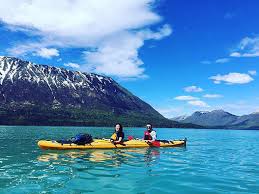
Key among these is the opportunity to go canoeing. These routinely sell out, and you should book in advance.
Essential Booking Strategy for Excursions
Do not wait to book your excursions until you are on the ship.
Book Early: For high-demand tours, begin checking availability and booking six to nine months before your sail date.
Cruise Line vs. Independent Operators: While booking through the cruise line guarantees the ship will wait for you if the tour is delayed, you will always pay much more, sometimes hundreds of dollars more, than booking directly with local operators, who will often offer identical or similar tours at a lower price point.
We highly recommend a reputable external provider, Shore Excursions Group, that has rave reviews and offers savings of about 25% off prices typically offered by cruise lines, along with a unique back-to-ship guarantee. Click here for details.
Which cruise line is best for you?
Choosing Your Vessel: Ships and Staterooms
Your choice of ship will define the pace and focus of your Alaskan adventure, ranging from floating resorts to true expedition vessels.
Understanding the difference between brands.
Mainstream:
HAL, Cunard, Princess, Royal, Celebrity
These are the mass market, mid-range brands that generally cruise with large ships of 2000-3000 people. HAL and Princess will tend to attract an older demographic, Royal is a great choice for families, while Celebrity has a vibe more like a W Hotel, without the waterslides and big kids clubs of Royal.
High-end brands, smaller ships.
Azamara, Seabourn, Ponant, Silversea, Windstar
Alaska is not unlike other tourism hot spots around the world, and during peak season is close to saturation point with cruise lines. Most ports will have several large ships docked or at anchor every day of the season, which can see many of the small towns overrun with tourists.
It is because of the crush of humanity, we recommend smaller ships with a capacity of no more than 500-900 people.
These more exclusive brands offer an elevated all-inclusive experience, and being host to far fewer people really can help you avoid the frustrations faced by those on bigger ships. Our long experience in the Alaskan marketplace means that we really can get you on a 6-star ship for less than you might pay on 3-star brands - that will nickel and dime you for everything from gratuities to beer, wine, cocktails, and even soft drinks.
Expedition (e.g., UnCruise, Lindblad): These smaller ships prioritize up-close exploration via Zodiacs and kayaks, guided by naturalists. They focus heavily on wildlife and culture, often skipping the larger, more touristy port towns. They are significantly more expensive but all-inclusive (including many excursions and drinks).
Luxury (e.g., Silversea, Seabourn): All-inclusive, small-ship experiences with a high crew-to-guest ratio, offering private veranda suites and personalized service.
Not Everyone Needs a Balcony
While a balcony cabin offers private, front-row views of Alaska’s stunning scenery, it’s not essential for every traveler. Interior or ocean-view cabins can save you hundreds of dollars, and you’ll still have access to excellent public viewing areas and indoor observation lounges. If you’re on a budget, consider skipping the balcony and using those savings for a memorable excursion—after all, the ship’s decks and lounges provide plenty of opportunities to soak in the glaciers, wildlife, and fresh Alaskan air.
What to pack
The unpredictable Alaskan climate and logistics require careful planning to ensure a comfortable and smooth trip.

The Layering Principle (Mandatory)
Alaska's weather can change dramatically within hours, making layering the single most important packing rule.
Base Layer: Moisture-wicking tops and bottoms (merino wool or synthetic).
Mid-Layer: Fleece, sweater, or a puffy insulated jacket for warmth.
Outer Layer: A waterproof and windproof jacket and rain pants (essential for port days and whale watching).
Accessories: Hat, gloves, waterproof shoes/boots, and thermal socks.
Essential Gear & Logistics
Binoculars: Crucial for spotting eagles, whales, seals, and bears from the ship or the shore. Do not rely on spotting scopes provided on deck; bring your own set.
Travel Insurance: Highly recommended. Weather delays are common and can impact flights and excursions.
Mistakes to Avoid
Booking Same-Day Flights: Always fly into your embarkation port at least one day prior to departure to avoid missing the ship due to delays. Similarly, book late-afternoon flights on disembarkation day.
Skipping Glacier Viewing Narratives: On glacier viewing days (e.g., Glacier Bay), turn on your stateroom TV or attend the naturalist talks. The onboard commentary is invaluable for understanding the geology and history of the ice formations and will really add to your experience.
Ignoring Independent Excursions: While cruise line excursions are convenient, exploring the port towns on your own or booking through local providers often saves money.
Overpacking Formal Wear: Alaska cruising is generally very casual. While you may need specialty dining attire, avoid overpacking bulky evening gowns or suits.
Not Seeking Out Local Shops: Many souvenir and jewelry shops in the small port towns are directly or indirectly owned by the major cruise lines and staffed by their employees. To ensure your dollars directly support the Alaskan economy and the communities you visit, make a conscious effort to seek out and patronize genuinely locally owned and operated businesses.
When is the best time to book to secure the best discounts?
Prices on Alaskan voyages fluctuate enormously throughout the year and are cyclical. We monitor these periods of intense discounting closely and can help ensure you secure the best deal on your dream cruise.
The two biggest sales periods in the industry are Black Friday, the day after Thanksgiving, and the WAVE season in February every year. As a high-volume seller, we will routinely be advised of the best discounts weeks in advance.
If you have registered via our WISH LIST (at the top of our website), we will notify you as soon as discounts drop for the dates and region you want to cruise.
As with most popular regions, there is always a balance between peak period when everyone wants to go, and prices are at their highest, and less popular shoulder months where crowds will be less, but perhaps weather and wildlife encounters may not be in their prime.
Traditionally, the best fares we see on high-end brands are offered at the start of the season, which is May and June.
We will usually see the first batch of great deals drop in November and then another raft in February. Due to the huge number of ships in Alaska, they never all sell out, and will almost always have great deals on 5/6 star ships most months of the season. These deals will usually be available on a rolling basis a few months prior.
Flexibility will get you a better deal
As always, the more flexible you are in your travel plans, the more options and bigger discounts we will be able to find for you. If you have a tight travel window of only 7 days, we may only have one or two cruises available; if you stretch that out to 10 days, a few more will open up, whereas if you have a window of 2-3 weeks, your options could exceed a dozen or more.
Price guidance
Cruise only or all-inclusive fares
There are a huge number of cruises on mid-range brands that retail for $1500 or even less. With these lines, everything else is additional, from alcoholic drinks to specialty dining, coffee, soft drinks, and gratuities.
The experience of clients is clear that a $1500 fare will routinely cost you $2500 when all of these additional costs are taken into account.
All-inclusive fares
For close to the same total cost, or in some cases even less, we really can get you cruising Alaska on smaller boutique ships, with only a few hundred people, instead of thousands, in a suite, 3/4 times the size of traditional ship cabins, with full open bar (including cocktails), mini bar, and gratuities all paid.
We routinely have 7-day Alaskan voyages on all-inclusive 6-star ships for under $3000 USD pp, and often we can get you on board for $2500 or even below.
Search current best pricing on our preferred brands: click here
All you need to know about all our preferred brands.
Click each logo to see our FAQs for brand comparisons and all included features.





Should you book now or wait?
Unsold cabins are the best indicator of whether prices will rise or fall.
Only 6 Star 4 Less gives you access to this information
Watch this quick video to learn how to view all unsold cabins..
Just a quick recap about pricing:
All pricing below is USD, but we can sell most lines in AUD, and prices will usually work out cheaper, but not always.
We will match or better any price.
We are fully licensed, registered, and insured in Australia.
NOTE: As you click through for live pricing, you may find discrepancies; this is because often only one or two cabins might be offered at the cheaper rates
As these sell out, prices will fluctuate.
Our live results update in real-time, and you can view how many cabins remain at each price point.
Airline Staff - Switch to interline to view even cheaper closed rates.
Compare the actual end cost vs the value of inclusions across brands.
NOTE: Silversea has recently removed shore excursions as an inclusion for their lowest fares; this change is not reflected in the tables below.


FAB - Step-by-step guide to find your perfect cruise
Remember our name 6 Star 4 Less

Subscribe to our weekly cruise discounts email


Comments